LITERÁRNY TEXT PRI VÝUČBE CUDZIEHO JAZYKA: MODEL PRÁCE SO SLOVENSKOU POÉZIU
Predavač:
Špela Sevšek Šramel
Vreme:
11.00-11.30
Mesto:
Plenarno predavanje

InterKult 2025 Sažeci
Slovenský
Špela Sevšek Šramel
Filozofická fakulta, Univerzita v Ľubľane
Spela.SevsekSramel@ff.uni-lj.si
LITERÁRNY TEXT PRI VÝUČBE CUDZIEHO JAZYKA: MODEL PRÁCE SO
SLOVENSKOU POÉZIU
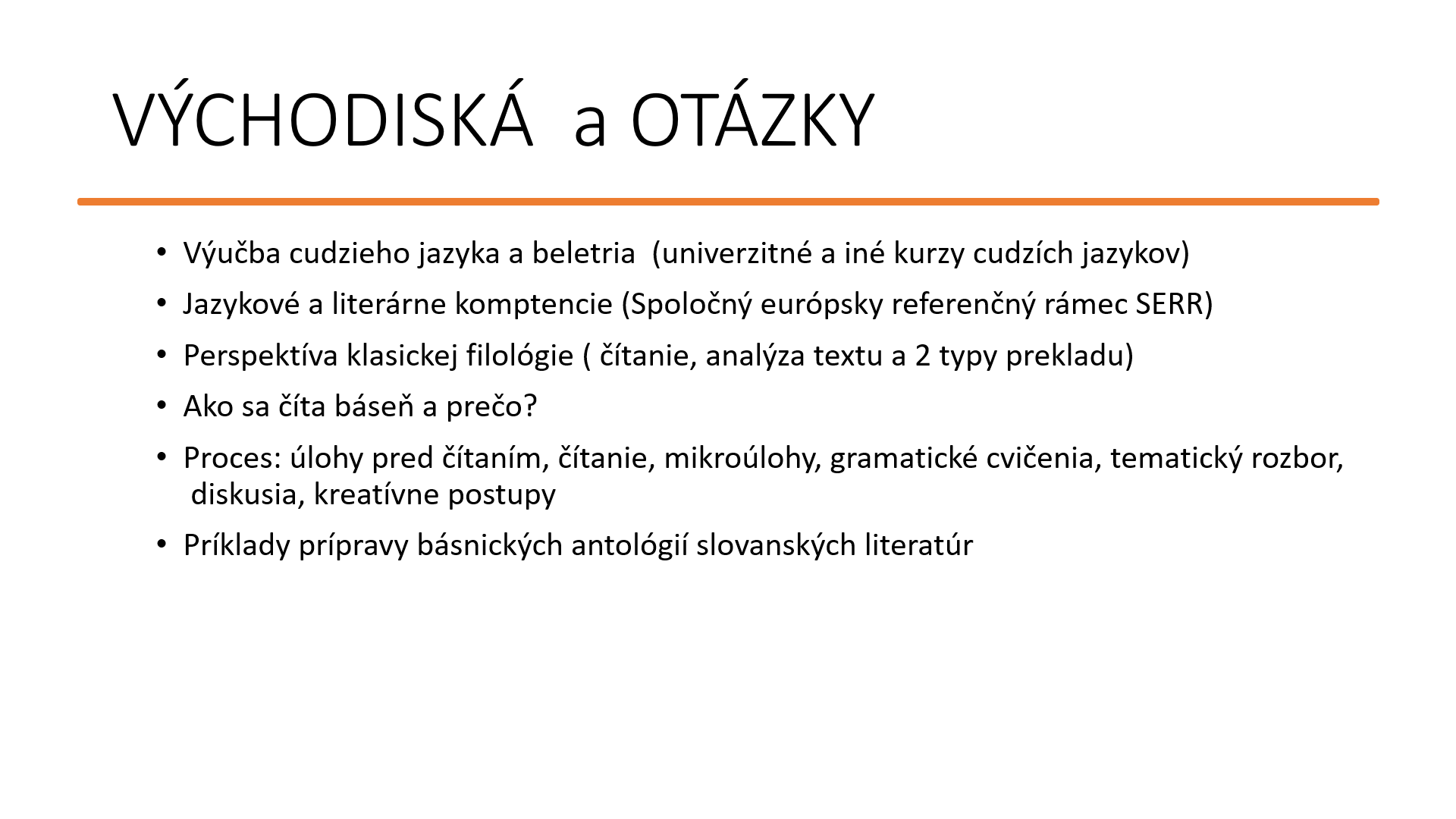
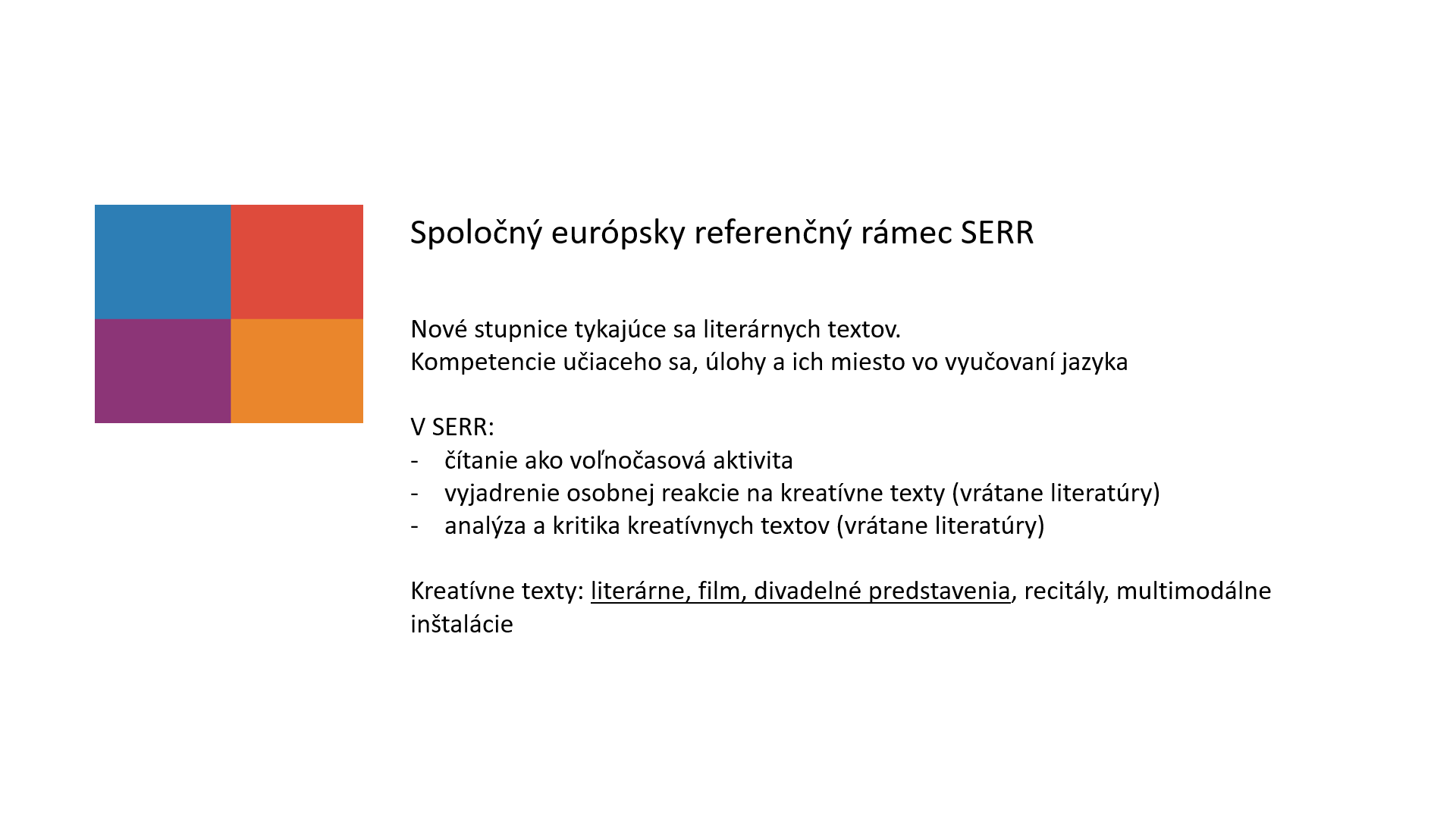
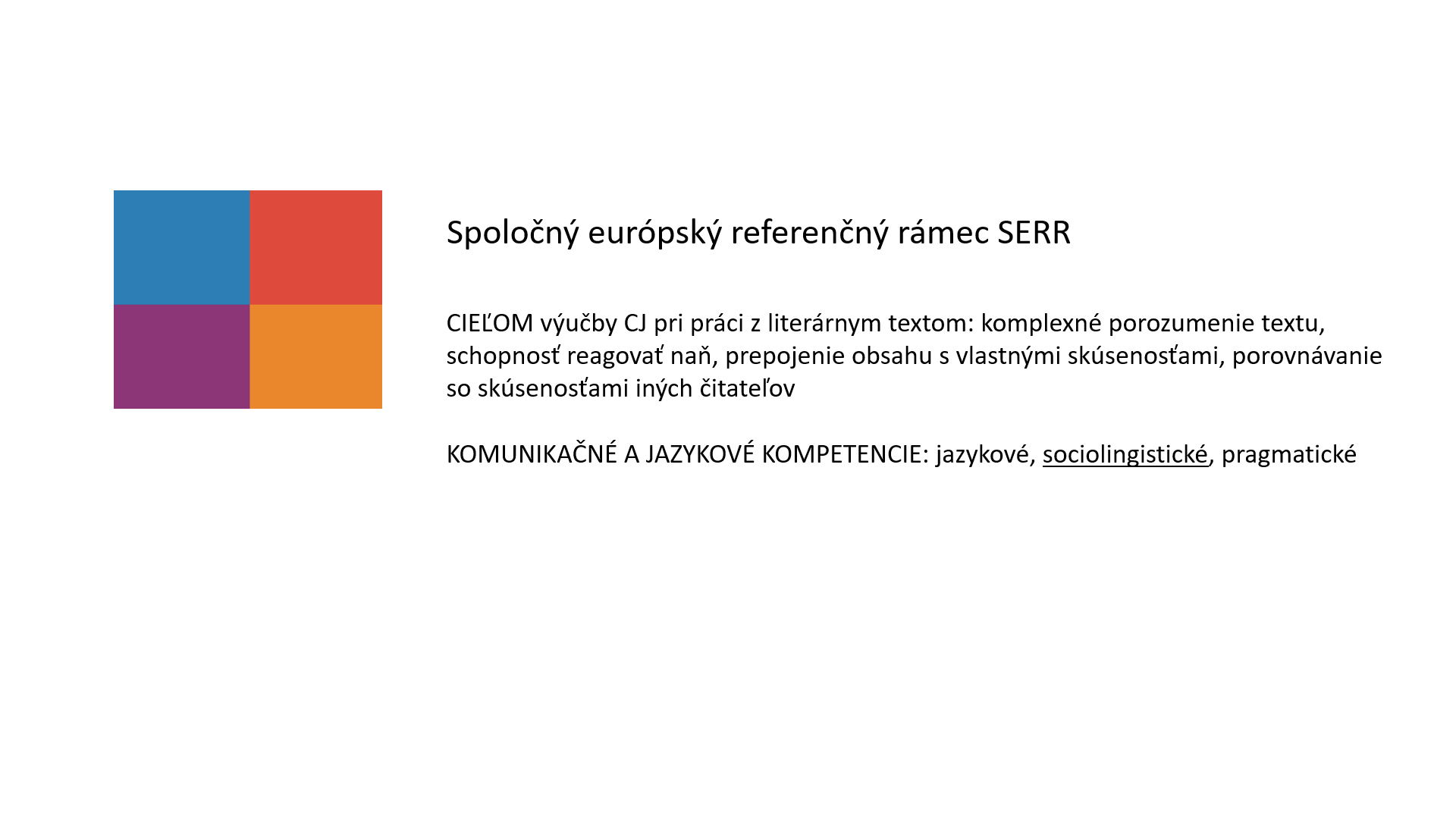
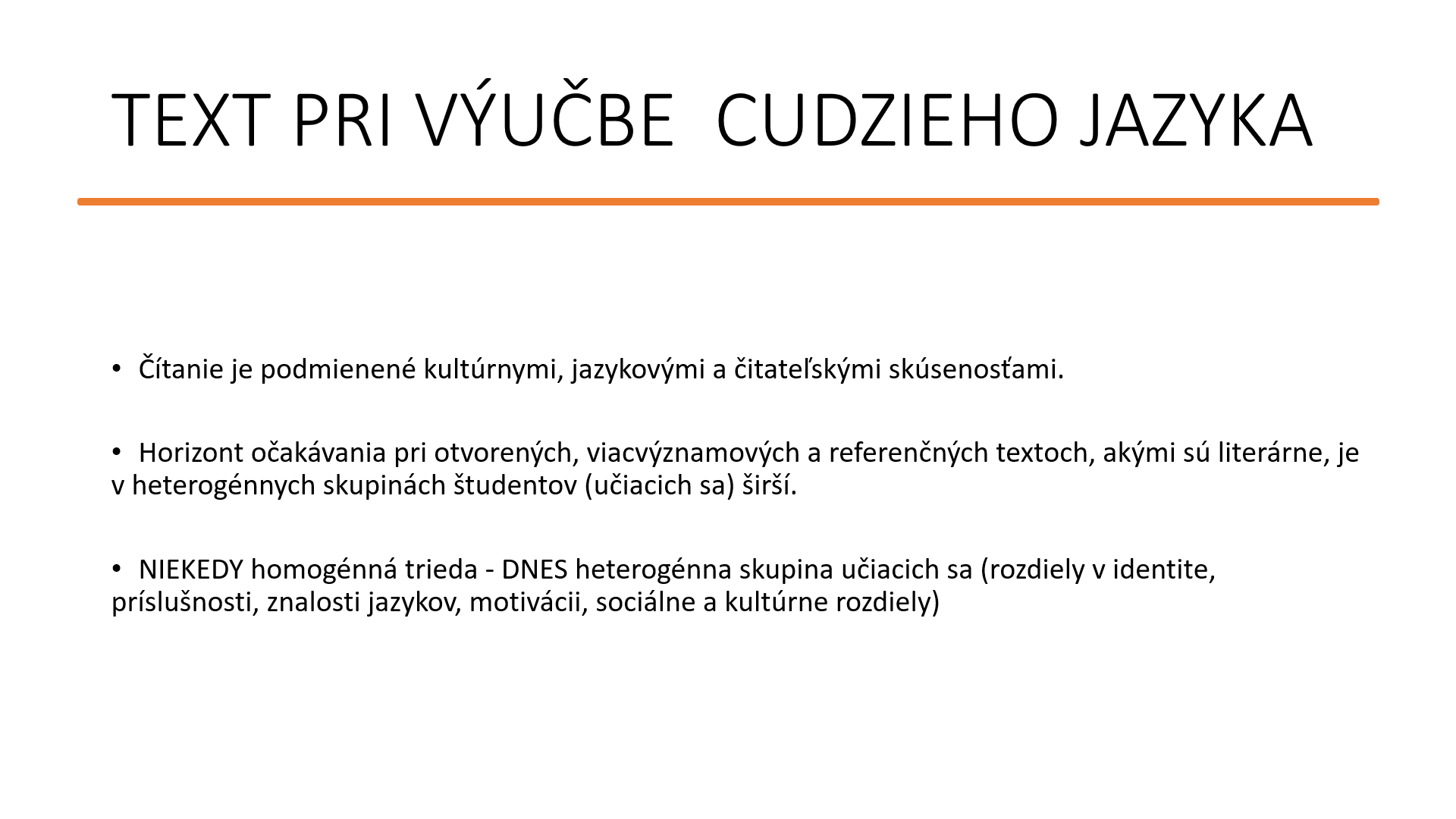
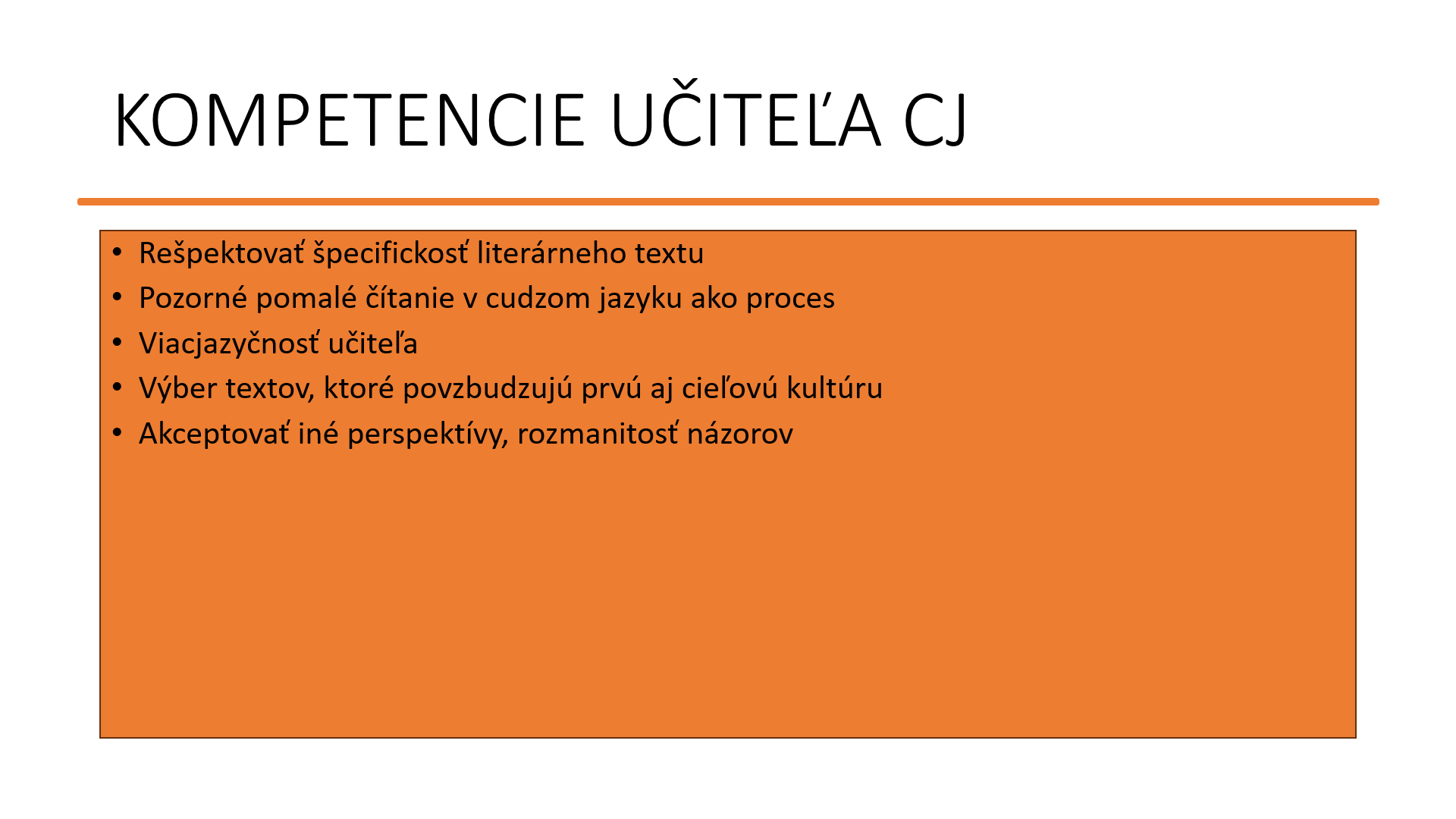
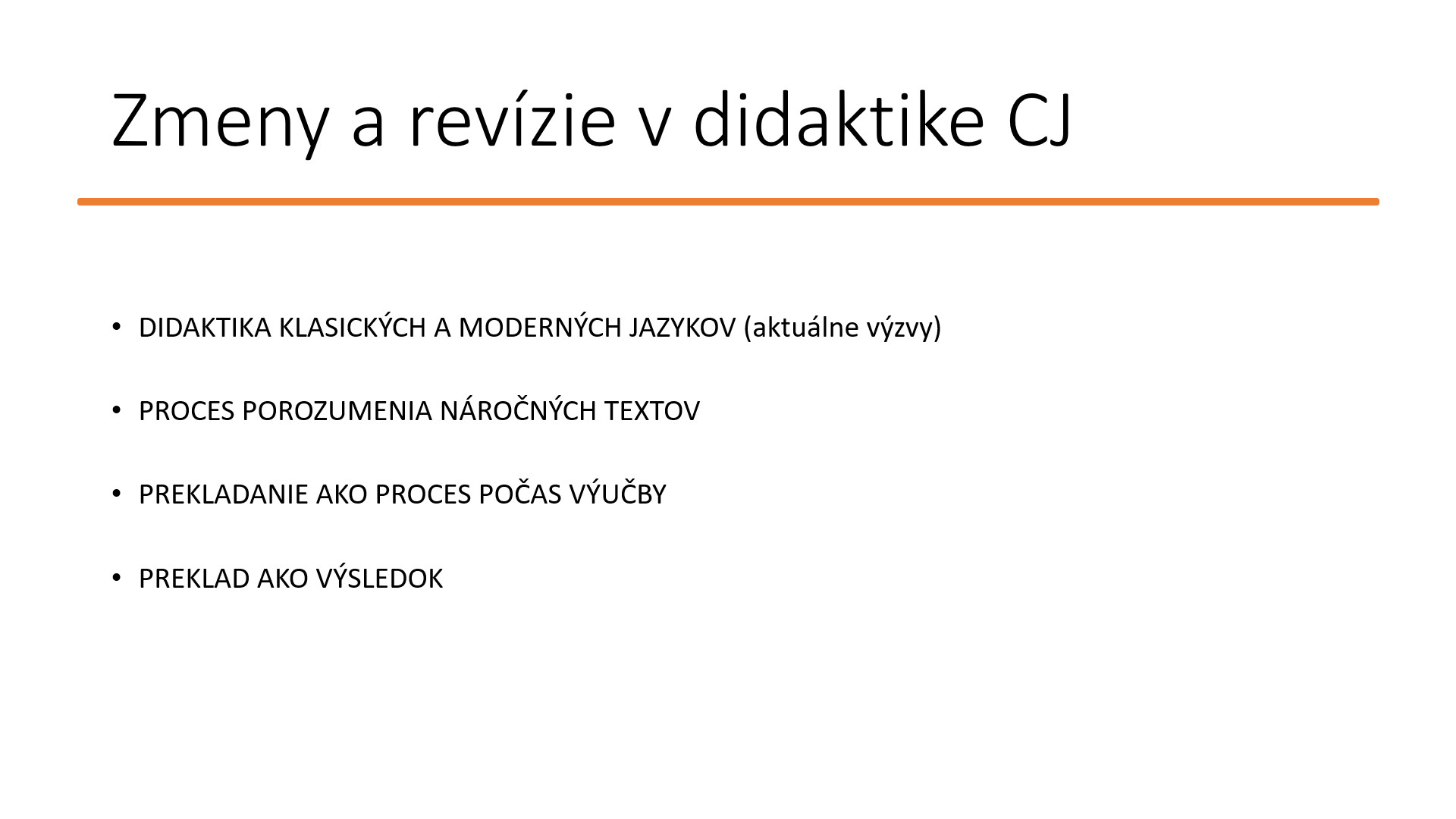
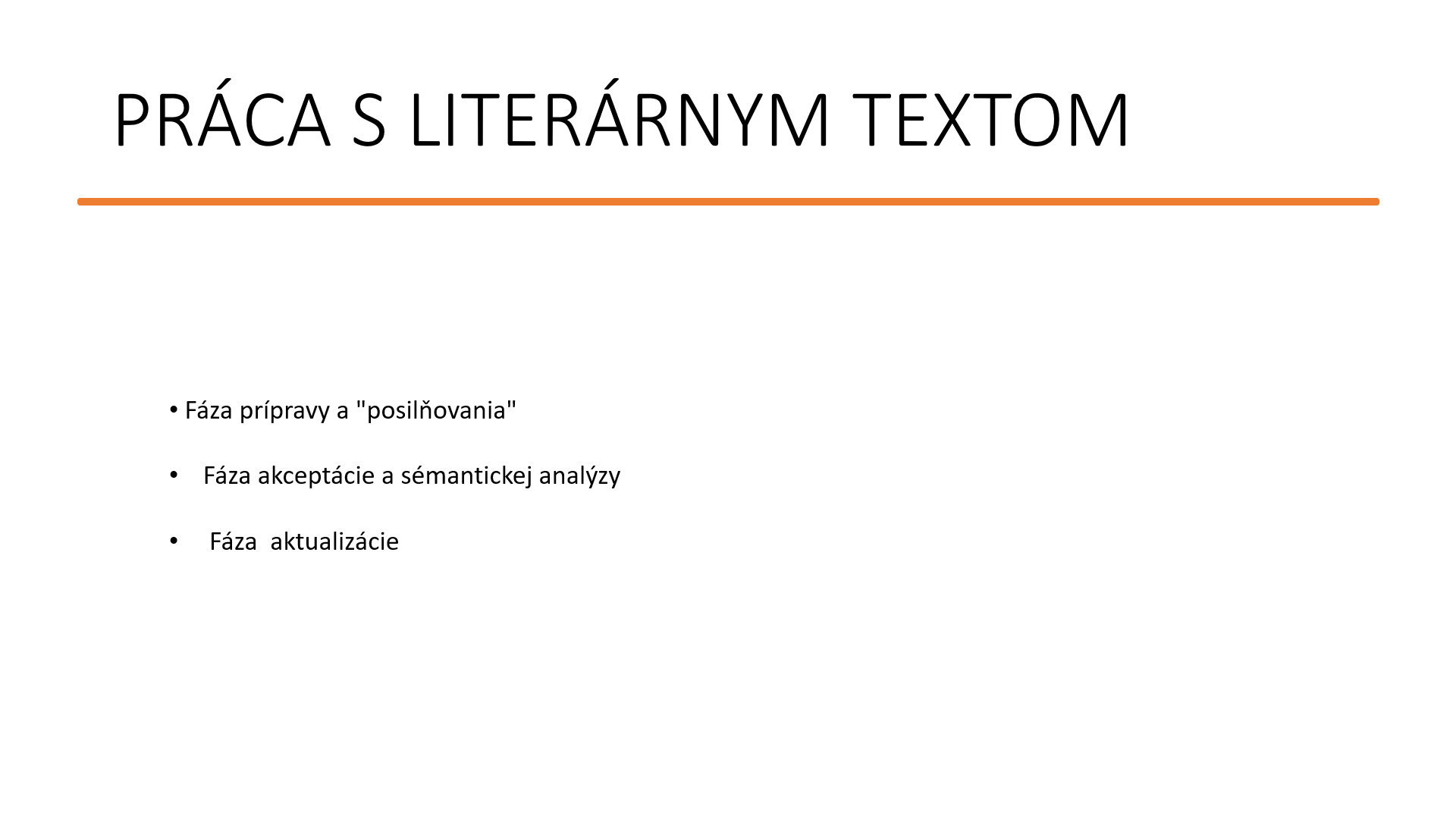
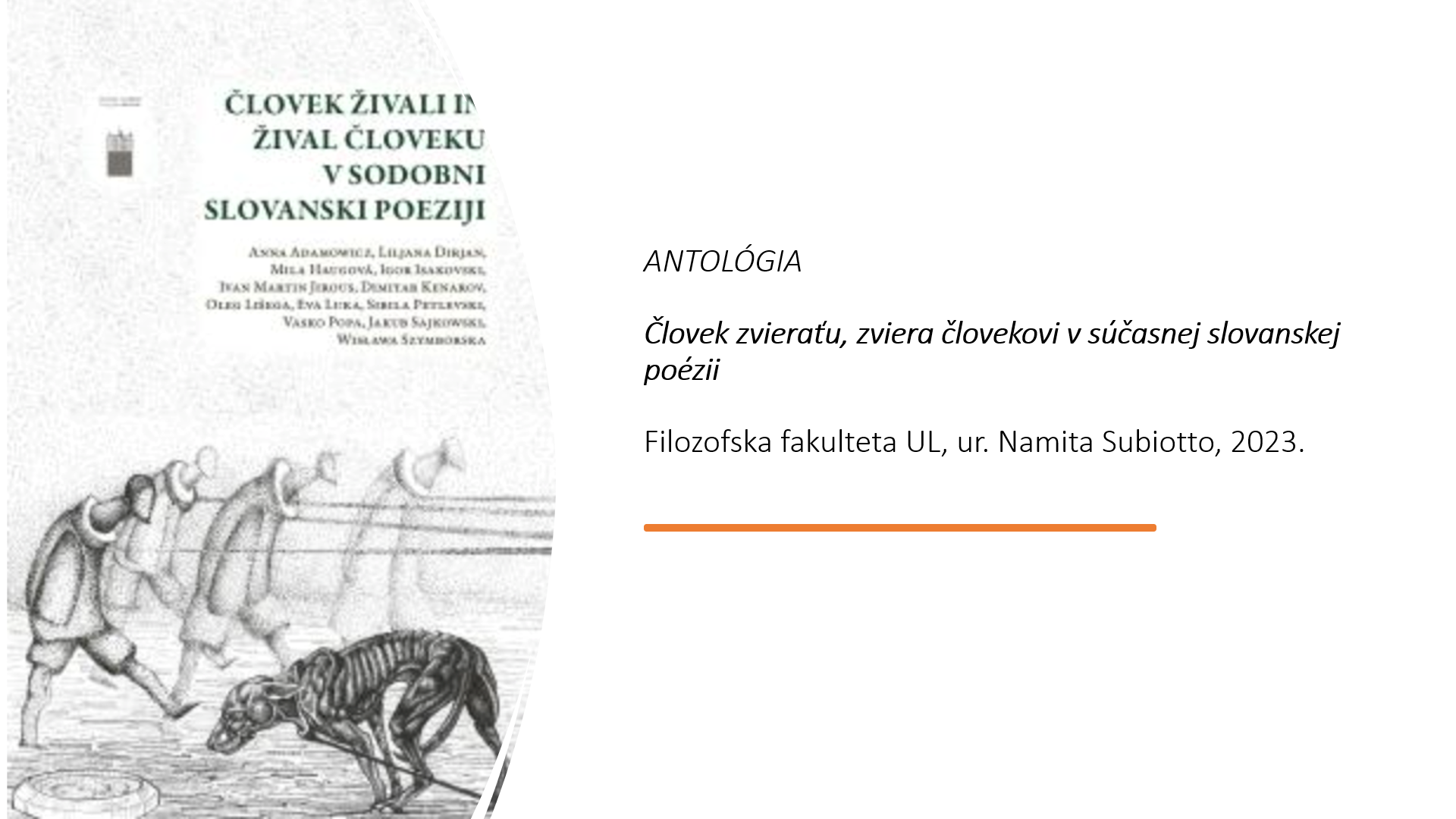
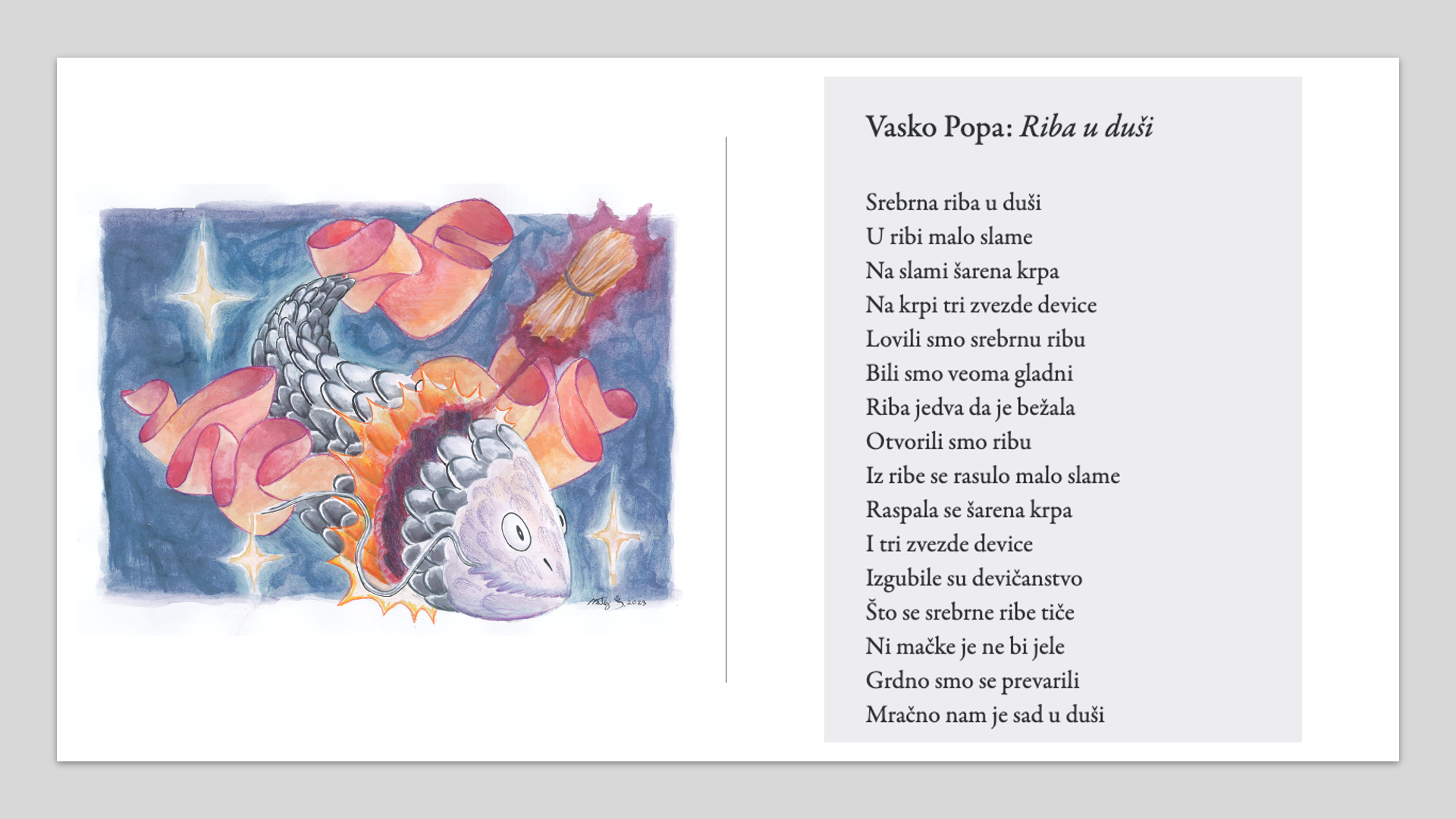
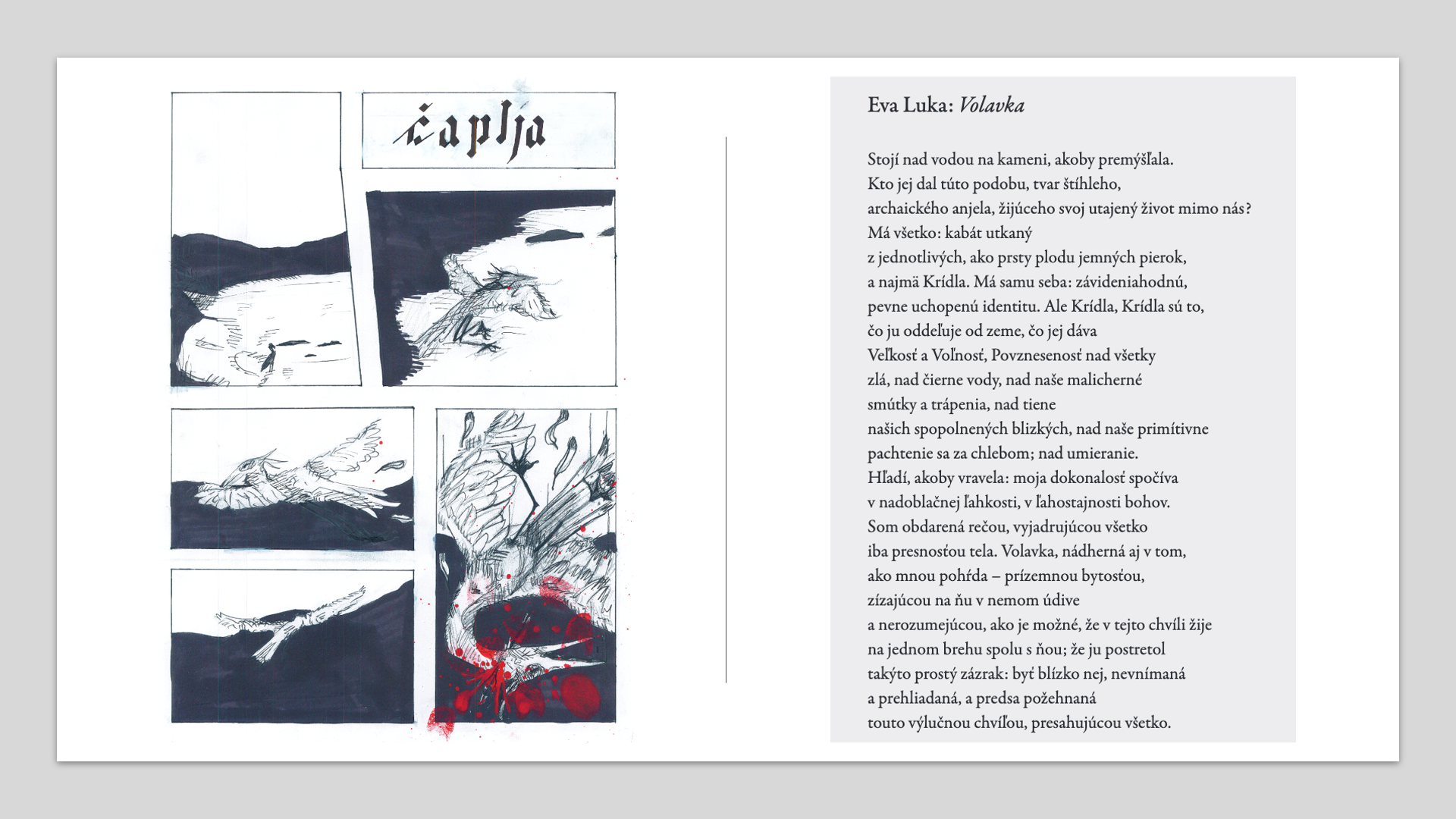
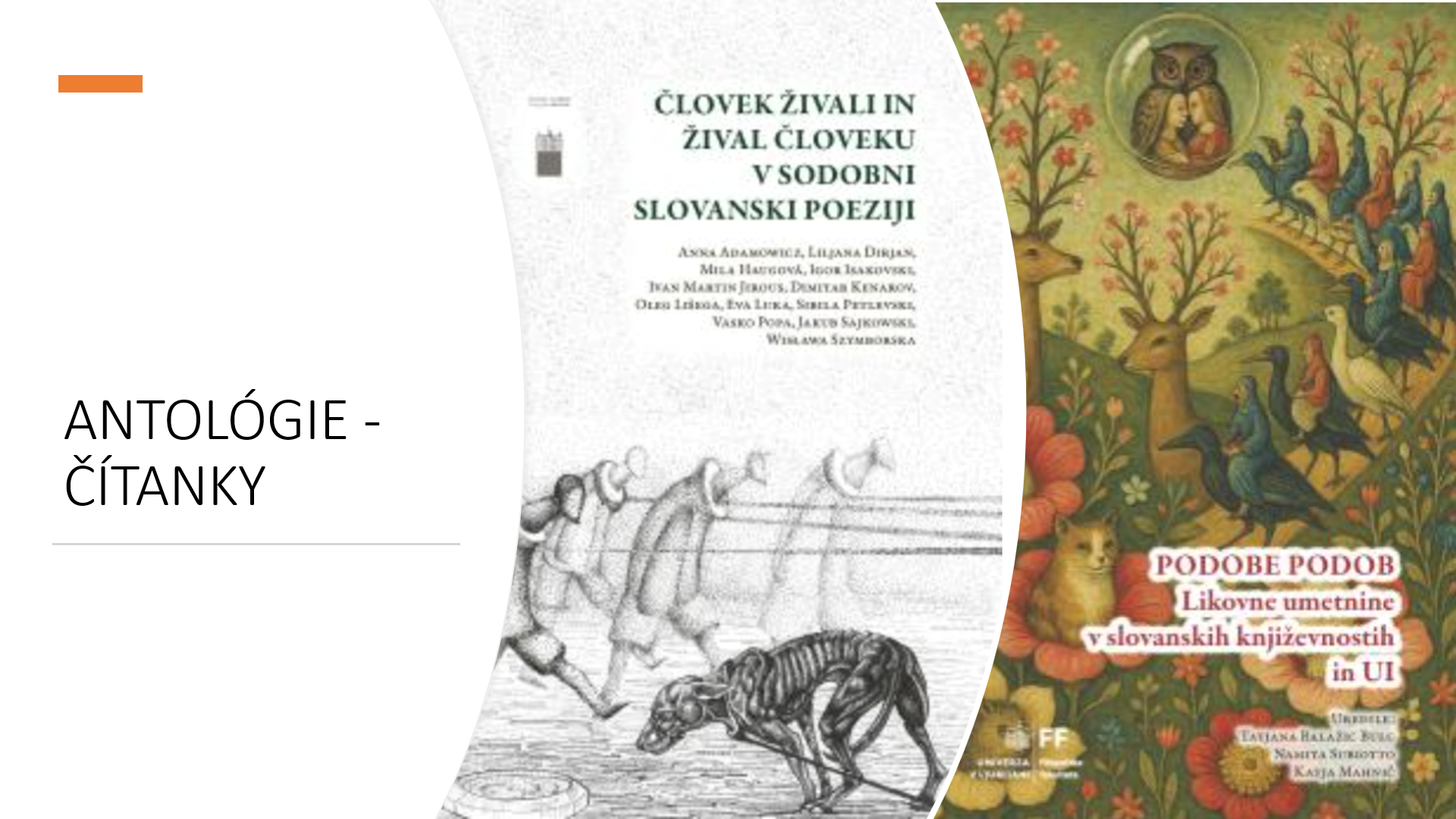
Práca s literárnym textom vo vyučovaní cudzích jazykov rozširuje komunikatívnu metódu o texty, ktoré sú viacvýznamové, otvorené interpretácii a intertextuálne. Poézia, ako príklad takéhoto textu, zvyšuje heterogenitu očakávaní študentov a vyžaduje špecifický prístup: pomalé čítanie, analýzu formy a obsahu, jazykové a tvorivé úlohy. Preklad zohráva kľúčovú úlohu v porozumení a vyjadrovaní v cieľovom jazyku, pričom prekladateľský proces je chápaný ako autonómna aktivita, inšpirovaná didaktikou klasických jazykov, ktorá podporuje komplexné vnímanie textu a rozvoj jazykových schopností. Zaradenie literárnych textov, najmä poézie, do vyučovania cudzích jazykov rozvíja komunikačnú, interkultúrnu a prekladateľskú kompetenciu. Model čítania a prekladu bude ilustrovaný na príklade dvojjazyčnej antológie slovanskej poézie vo výučbe slovenčiny ako cudzieho jazyka.
Kľúčové slová: výučba cudzieho jazyka, didaktika literatúry, komunikačná kompetencia, interkultúrné kompetencie, preklad ako proces, slovenská poézia
English
Špela Sevšek Šramel
Faculty of Philosophy, University of Ljubljana
Spela.SevsekSramel@ff.uni-lj.si
Using Literary Text in Foreign Language Teaching: a Model Based on Slovak Poetry
Integrating literary texts into foreign language teaching seeks to complement the communicative method of teaching with quality literary texts. These are multi-meaning, openended and intertextual, which makes the horizon of expectations in a group of foreign students much more heterogeneous. This requires a specific approach: slow reading, semantic and formal analysis, linguistic and creative tasks alongside the text. Another important stage in the reading is the translation, which brings out the specificity of a literary text and its integrity. I understand translation as a process as an autonomous activity, comparable to the teaching of classical languages. The inclusion of literary texts, especially poetry, in foreign language teaching enables the development of communicative competence, intercultural competence and translation competence. The proposed model of reading and translation will be illustrated by the example of a bilingual anthology of contemporary Slavic poetry in the language teaching of Slovak as a foreign language.
Keywords: teaching foreign languages, literature didactics, communicative competences, intercultural competences, translation as process, Slovak poetry
InterKult 2025 Prezentacija